 DETACH DELETE in Cypher is an example of why Cypher is one of my favorite ways of interacting with the Neo4j graph database. The declarative graph query language is constantly evolving to ease the requirements of querying Neo4j. This benefit in ease of interaction, however, can often further remove the query writer from needing to understand the inner Read More......
Friday, February 26, 2016
Understanding DETACH DELETE in Cypher
DETACH DELETE in Cypher is an example of why Cypher is one of my favorite ways of interacting with the Neo4j graph database. The declarative graph query language is constantly evolving to ease the requirements of querying Neo4j. This benefit in ease of interaction, however, can often further remove the query writer from needing to understand the inner Read More......
Pairing Neo4j ElasticSearch: The Basics
 There are a number of ways of integrating Neo4j with ElasticSearch. One common way was through the use of the Rivers plugin, but that was deprecated in ElasticSearch 1.5 and will likely be fully removed shortly after ElasticSearch 2.0. Going forward any integration will require a more sophisticated integration to index the desired nodes and relationships from Neo4j to ElasticSearch.
For those that don’t know, ElasticSearch is an open Read More......
Graph Advantage: Master Data Management
 Master Data Management (MDM) is an increasingly complex topic for organizations today. The rate at which data in an enterprise to is flowing and evolving as a business asset, requires a the need for a more flexible and connection-centric master data storage solution. Master Data Management, is a practice that involves discovering, cleaning, housing, and governing data. Data architects for enterprises require a data model that offers ad hoc, variable, and Read More......
Connected Data Analytics: Basics
 As organizations adopt graph databases, their available connected data will grow, which will drive the need for analytics to leverage the connected data as a core component of their analysis. The key to unlocking new insights is to leverage the connectedness of the data as part of a graph analytics solution. Through graph analytics enterprises have gained competitive advantages because they are now discovering the Read More......
Wednesday, February 17, 2016
Graph Advantage: Fraud Detection
Graph Advantage: Fraud Detection
 Financial institutions and insurance firms with traditional fraud detection capabilities lose billions of dollars to fraud. Traditional approaches in detecting fraud play a critical aspect in minimizing financial losses. However, an increasing number of fraudsters have created different methods to avoid being discovered. In order to gain the upper hand again these financial institutions are need to combine the traditional subject matter expertise of an analyst with enhanced exploration and discovery capabilities enabled through a highly connected data set in agraph database Read More......
Graph Advantage: Fraud Detection
Graph Advantage:
Financial institutions and insurance firms with traditional fraud detection capabilities lose billions of dollars to fraud. Traditional approaches in detecting fraud play a critical aspect in minimizing financial losses. However, an increasing number of fraudsters have created different methods to avoid being discovered. In order to gain the upper hand again these financial institutions are need to combine the traditional subject matter expertise of an analyst with enhanced exploration and discovery capabilities enabled through a highly connected data set in agraph database Read More......Data Validation and Testing Your Graph Data State
 Data validation lets you gain insight on the quality of your data assets. This involves grading your organization consistently to monitor your progress. When testing data, it’s essential to set metrics, as well as succeeding steps and goals to drive improvements. Data testing is even more crucial when loading data into a schema free graph database like Neo4j. So how do we it efficiently and continuously?
Schema-Free Nature of Neo4j and Data Validation
Neo4j is schema-free by nature, but does provide some schema concepts that can be enforced. This means, when your data flows via your Neo4j data pipeline and graph
Read More......
Saturday, February 13, 2016
Neo4j Production Ready: Enterprise Cloud
 The cloud today has become the primary deployment option for startups and is gaining adoption across the worlds largest enterprises. As with other critical infrastructure holding sensitive organization or customer data, there are several key questions enterprises must consider when evaluating the Neo4j graph database cloud Read More.....
Wednesday, February 10, 2016
How Do I Load Data Into Neo4j?
 The ability to load data into Neo4j is enabled through a variety of data
loading APIs and tools. For processes where big data sets flow in or
out of the Neo4j graph database, consideration needs to be taken to
batch these read and write operations into batch sizes that are
sympathetic to the master instances memory capacity as well the
transactional overhead of data writes. read more....
The ability to load data into Neo4j is enabled through a variety of data
loading APIs and tools. For processes where big data sets flow in or
out of the Neo4j graph database, consideration needs to be taken to
batch these read and write operations into batch sizes that are
sympathetic to the master instances memory capacity as well the
transactional overhead of data writes. read more....Neo4j Production Ready: Security
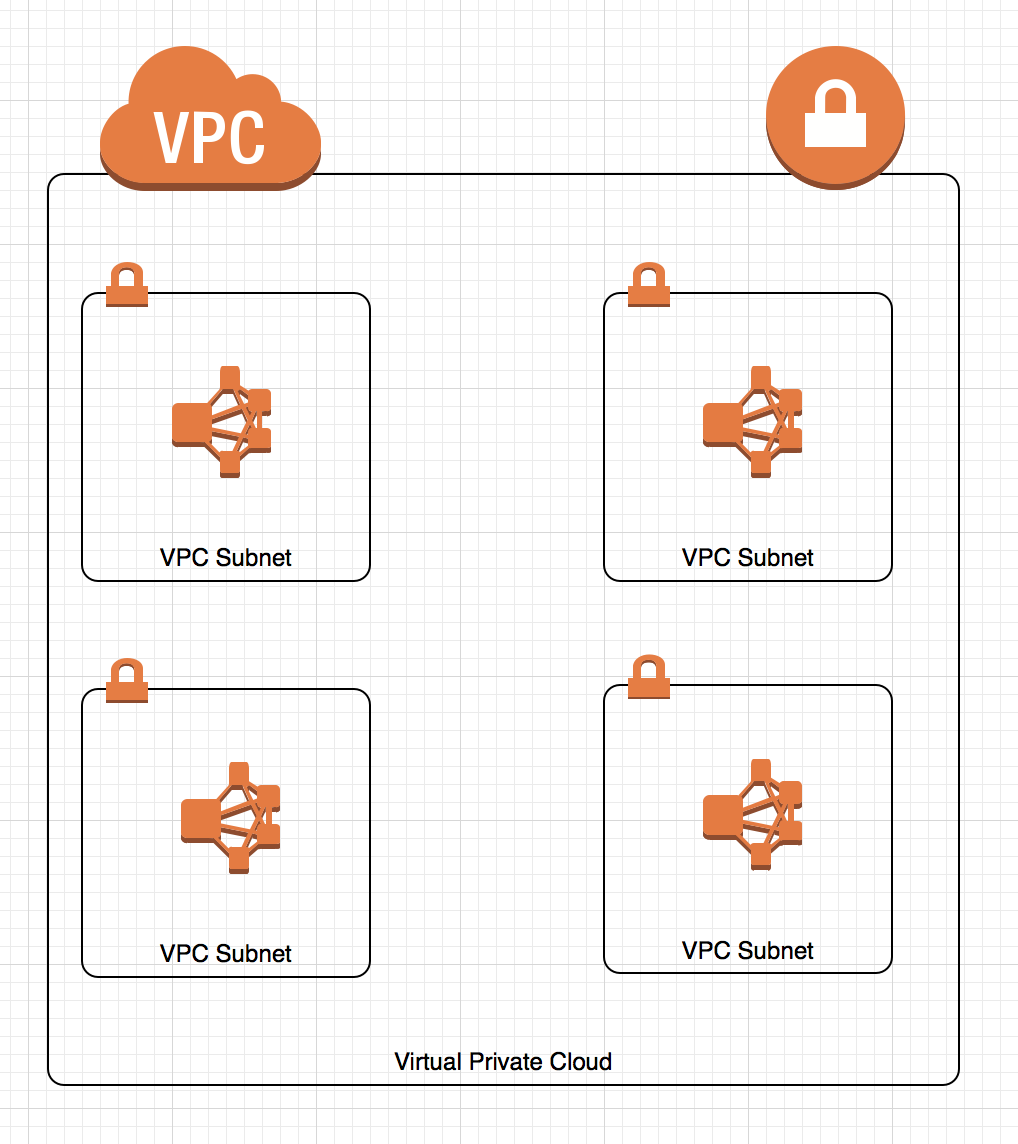 With cloud adoption consistently accelerating in all organizations and
industries, selecting a Neo4j cloud platform that offers your business
security and scalability while eradicating lead time of
internal-building is important. To simplify such a process for utilizing
Neo4j Enterprise, the GraphGrid Data Platform provides a Neo4j Amazon
Web Services (AWS) cloud offering. see here....
With cloud adoption consistently accelerating in all organizations and
industries, selecting a Neo4j cloud platform that offers your business
security and scalability while eradicating lead time of
internal-building is important. To simplify such a process for utilizing
Neo4j Enterprise, the GraphGrid Data Platform provides a Neo4j Amazon
Web Services (AWS) cloud offering. see here....Neo4j Production Ready: Deployment Basics

Neo4j Enterprise Cluster Basics
 Neo4j Enterprise enables a high availability cluster using the PAXOS protocol for cluster communication prior to 3.x and the RAFT protocol with the core-edge clustering model is now available in the current milestone releases. see here .....
Saturday, February 6, 2016
Neo4j Data Pipeline
Neo4j Data Pipeline
Every enterprise has a constant flow of new data that needs to be processed and stored, which can be done effectively using a data pipeline. Upon introducing Neo4j into an enterprise data architecture

How Do I Load Data Into Neo4j ?
The ability to load data into Neo4j is enabled through a variety of data loading APIs and tools. For processes where big data sets flow in or out of the Neo4j graph database, consideration needs to be taken to batch these read and write operations into batch sizes that are sympathetic to the master instances memory capacity as well the transactional overhead of data writes.
Neo4j provides a number of APIs to import big data sets including:
the Cypher transactional endpoint, which uses the Cypher query language and is simple to utilize from any programing language because Read here....
Data Modeling with Neo4j: “School Immunization in California” CSV to Graph
1 state, over 9 million children, and 42,981 rows of CSV immunization data. After many rough drafts, I was finally able to land on an efficient and aesthetically pleasing way to map out the immunization

Data Modeling with Neo4j: “Chemicals in Cosmetics” Step-by-Step Process
Take this unique dataset in a CSV format and transform it into a graph using Neo4j. Using the Neo4j model, we can compact the vast number of relationships and properties within the Chemicals in Cosmetics dataset, creating more meaningful and easily applicable data.
Meet the Data

Since 2005, all Californian cosmetic companies are required to provide the information of any cosmetic product that contains chemical(s) that cause or are suspected to cause cancer, developmental birth defects, or harm to the reproductive system. This list, of the cosmetics and chemicals in question, is openly provided on the California government website*. Even more intriguing, are the numerous properties about the products and chemicals, such as important dates and times, whether the product is still being sold, whether the chemical is still being used, and much more. The interconnectedness of this data illustrates the power of the property graph model and its ability to succinctly store information by prioritizing both the nodes and the relationships Learn More....MySQL to Neo4J
You’ve probably heard that an effective way to take move data from an existing relational database to graph is using LOAD CSV. But what exactly does the process of converting all or part of the database tables from MySQL to Neo4j using LOAD CSV involve start to finish? We’ll be using
 the Mysql5 Northwind database as our example. There is a Neo4j tutorial that has a similar explanation using Postgres and discusses the graph modeling aspects as well. So definitely good to read through that. Here we’ll focus on MySQL and the CSV export in preparation for the Neo4j import
Read More Here
Read More Here
Subscribe to:
Posts (Atom)